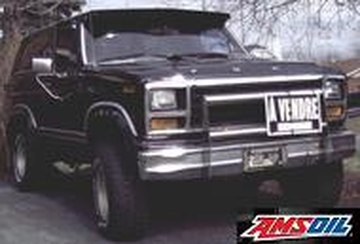
Maintaining Lubrication Integrity for the 1982 Jeep WAGONEER 4.2L
Proper engine care for a vehicle of this era requires a focus on consistent monitoring and proactive inspection. For owners of a 1982 Jeep WAGONEER equipped with the 4.2L engine, maintaining the lubrication system is a fundamental aspect of long-term mechanical health. Because older engines operate under different thermal and mechanical stresses than modern counterparts, understanding how to observe and respond to changes in fluid condition is essential.
Monitoring Fluid Condition and Potential Leaks
One of the most effective ways to monitor the health of the 4.2L engine is through regular visual inspections for signs of fluid seepage. Over time, various gaskets and seals may experience changes in elasticity or integrity due to heat cycles and age. When performing routine maintenance, it is helpful to look for any evidence of oil residue around sealing surfaces or on the underside of the engine components.
If you notice fresh oil accumulating in the drain area or staining on the ground beneath where the vehicle is parked, this warrants a closer investigation. It is important to remember that visible signs of leakage can stem from various sources; therefore, identifying the exact origin requires careful observation. Additionally, checking the appearance of the lubricant itself during an oil service can provide clues about engine health. If the oil appears excessively dark or contains unusual particulates, it may indicate that the interval between services should be reviewed or that internal components require professional inspection.
Observing Changes in Engine Operation
Beyond visual inspections, paying attention to how the vehicle behaves during operation is a vital part of ownership. While many mechanical issues can be complex, certain symptoms often serve as early indicators that something requires attention. For example, if you notice an unusual odor that may indicate oil contacting a hot surface, or if there are changes in the way the engine sounds during startup or idling, these should not be ignored.
Changes in lubricant consumption are another important metric to track. If you find yourself needing to add oil more frequently than previously recorded, this change in behavior should be investigated. It is also useful to monitor for any unusual exhaust smoke, as this can sometimes be associated with changes in how the engine manages its internal fluids. Because these symptoms can have multiple underlying causes, they are best treated as prompts for a thorough diagnostic check rather than definitive proof of a specific component failure.
Prioritizing Maintenance Based on Current Condition
For an older vehicle like the 1982 Jeep WAGONEER, maintenance strategies are often most effective when they are based on the actual current state of the machine rather than just chronological age. If you have recently acquired this vehicle and do not have a complete service history, establishing a maintenance baseline is a logical first step. This involves performing a comprehensive inspection of all fluids, filters, and accessible engine components to determine their present condition.
Once a baseline is established, you can prioritize tasks based on what the vehicle actually needs. For instance, addressing an active seepage or investigating a change in fluid color should take precedence over general preventive measures. Keeping detailed records of every oil change, filter replacement, and observed mechanical change allows you to distinguish between routine service and necessary repairs. This organized approach helps prevent unnecessary parts replacement while ensuring that critical maintenance is never overlooked.
Inspecting Peripheral Engine Components
While the engine oil is central to lubrication, the systems surrounding the engine also play a role in overall reliability. During routine service, it is practical to inspect other age-sensitive components if they are accessible. This includes checking the condition of various hoses and, if equipped, inspecting drive belts for signs of cracking, glazing, or fraying.
Electrical connections and wiring should also be monitored for signs of brittleness or corrosion, as these can affect engine performance and sensor accuracy. Furthermore, ensuring that the air filtration system is clean is a simple but effective way to prevent contaminants from entering the combustion process. By taking a holistic view of the engine bay during an oil change, you can identify potential issues before they escalate into more significant mechanical concerns.
The Role of Effective Lubrication
Engine oil performs several vital roles that are necessary for the continued operation of the 4.2L engine. Beyond simply reducing friction between moving parts, the lubricant is essential for managing the heat generated during combustion and operation. It also helps to carry away contaminants and distribute them to the filter, where they can be removed from the system.
Maintaining a clean and chemically stable lubricant is key to preventing the buildup of deposits or sludge within the engine. When oil is subjected to high temperatures over long periods, it can undergo oxidation, which changes its ability to protect internal surfaces. Regular service ensures that the lubricant maintains its intended properties, providing consistent protection during both cold starts and sustained operation.
Practical Guidance for BUYING ENGINE OIL for your 1982 Jeep WAGONEER 4.2L
When it is time to replenish your engine's lubrication, the most important step is to ensure the product you select matches the specific requirements of your application. Rather than relying on general assumptions about vehicle age or engine size, always refer to the vehicle-specific oil viscosity and application information provided on this webpage.
As you shop for products, consider the following practical tips:
- Match the Application: Ensure the lubricant meets the specific viscosity requirements listed in the technical data above.
- Verify Quality: Check the product labeling to confirm it meets current API (American Petroleum Institute) service classifications.
- Evaluate Formulations: Depending on your specific needs and the condition of your engine, you may choose between conventional, synthetic blend, or full synthetic oils. Some high-mileage oil formulations also contain additives intended for use in aging engines, including seal-conditioning additives.
- Inspect Packaging: Always verify that the container is properly sealed and that the information on the label clearly matches your requirements before completing your purchase.
By following the application-specific guidance provided here, you can select a lubricant that supports the continued maintenance and operation of your 1982 Jeep WAGONEER.